
Essential Standards for Safe and Effective High-Dose Vitamin IV Infusions
High-dose intravenous (IV) vitamin therapy has evolved from a niche alternative treatment into a mainstream wellness strategy for millions of individuals seeking rapid nutrient absorption and cellular optimization. According to recent industry data, the global IV therapy market is projected to expand significantly, with a growing percentage of patients prioritizing direct nutrient delivery over oral supplements to bypass gastrointestinal limitations. This shift has necessitated rigorous safety standards to ensure that the benefits of high-dose micronutrients outweigh potential risks. Understanding these standards is critical for anyone considering this intervention, as the margin for error in intravenous administration is virtually non-existent.
Defining High-Dose IV Therapy
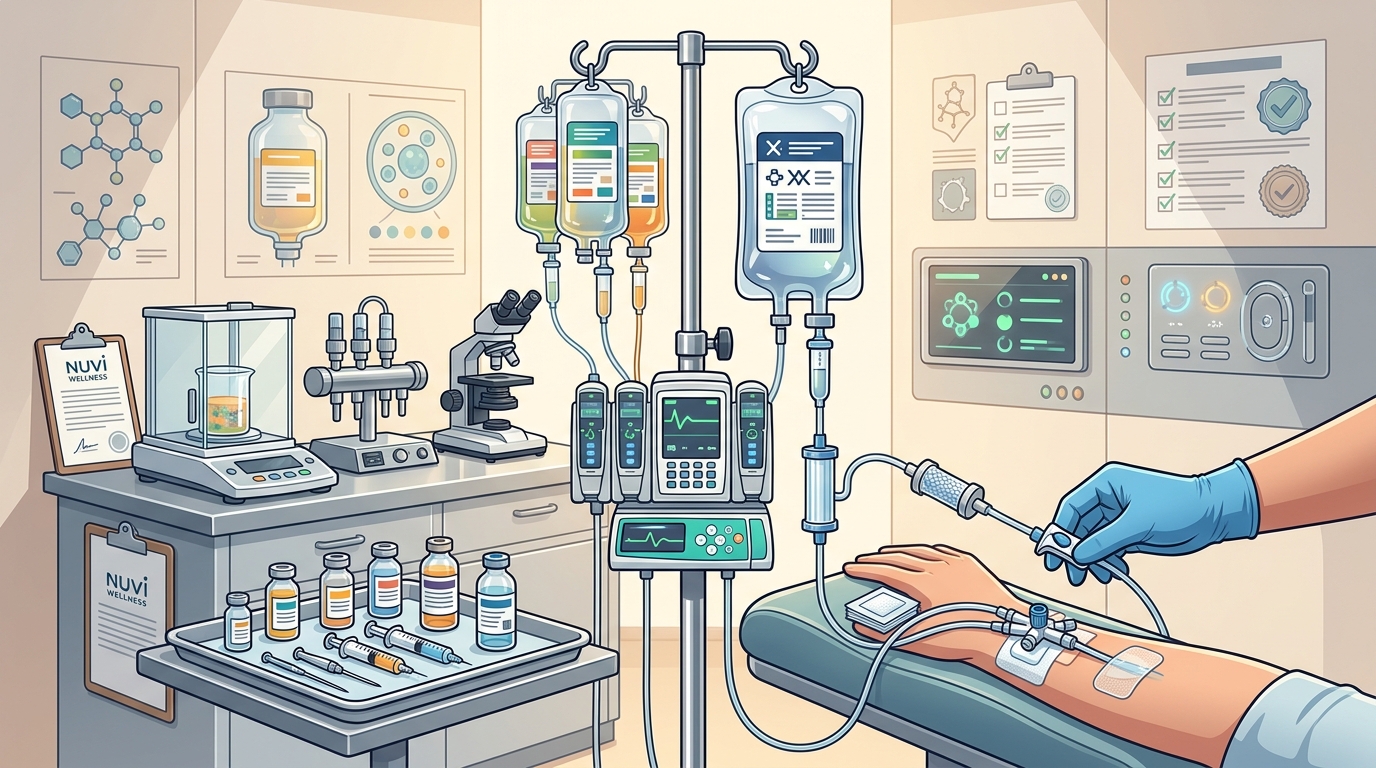
To understand the standards of care, one must first define the intervention itself. High-dose IV vitamin therapy is a medical procedure where concentrated vitamins, minerals, and antioxidants are delivered directly into the bloodstream via a catheter. Unlike oral supplements, which must pass through the digestive system and are subject to bioavailability limits, IV delivery achieves nearly 100% bioavailability. This means the body receives the full potency of the nutrients immediately, allowing for rapid correction of deficiencies and acute physiological support.
However, the term "high-dose" implies concentrations that far exceed normal dietary intake or standard multivitamin levels. For example, a Myers' Cocktail may contain high levels of magnesium and calcium, while a specialized immune-boosting drip might include gram-level doses of Vitamin C. Vitamin C in high doses acts as a pro-oxidant in certain cellular environments, which can be therapeutic but requires careful monitoring. The precision of these doses is what separates professional medical care from unregulated wellness trends.
At Nuvi Wellness, we prioritize evidence-based formulations that align with current clinical research. Our approach ensures that every infusion is tailored to the individual's physiological needs, rather than offering a one-size-fits-all solution. This personalized methodology is the cornerstone of safe and effective treatment.
Critical Safety Protocols and Screening
The foundation of any safe IV therapy session is a comprehensive pre-treatment screening. Before any needle is inserted, a licensed medical professional must review the patient's complete medical history. This includes checking for allergies, current medications, and underlying health conditions such as kidney disease or heart failure. These conditions can significantly alter how the body processes fluids and electrolytes, making unsupervised IV therapy dangerous.
One of the most critical safety standards is the verification of venous access. The vein must be healthy, patent, and free from inflammation or scarring. A skilled clinician will assess the site to ensure it can tolerate the volume and rate of infusion. If a patient has difficult veins, alternative strategies or specialized equipment may be required to prevent infiltration, where fluid leaks into surrounding tissue instead of entering the bloodstream.
Another vital protocol is the use of sterile, single-use equipment. Every needle, catheter, tubing set, and alcohol wipe must be brand new and opened in front of the patient. This eliminates the risk of cross-contamination and infection. Furthermore, the environment in which the infusion takes place must be clean and controlled. At Nuvi Wellness, our clinical settings are designed to minimize infection risk and maximize patient comfort, adhering to strict hygiene standards.
The Role of Clinical Supervision
High-dose IV therapy should never be administered without direct clinical supervision. This means a licensed healthcare provider, such as a nurse practitioner or physician, must be present throughout the entire procedure. Their role is to monitor vital signs, observe for adverse reactions, and adjust the infusion rate as needed. This real-time oversight is what distinguishes medical IV therapy from at-home DIY injections, which carry unacceptable risks.
Clinical supervision also extends to the formulation of the drip itself. The compatibility of different vitamins and minerals is complex. For instance, certain antibiotics cannot be mixed with specific electrolytes, and some vitamins degrade rapidly when exposed to light or air. A qualified clinician ensures that the solution is stable and safe for intravenous administration. They also determine the appropriate rate of infusion to prevent vein irritation or cardiac strain.
At Nuvi Wellness, our team of medical professionals brings years of experience in integrative medicine. We understand the nuances of nutrient interactions and the physiological impact of high-dose therapies. Our commitment to clinical excellence ensures that every patient receives care that is both safe and effective.
Identifying Contraindications and Risks
While IV therapy is generally safe, it is not without risks. Certain conditions serve as absolute or relative contraindications. For example, patients with severe kidney impairment may not be able to excrete excess minerals like magnesium or potassium, leading to dangerous accumulations in the blood. Similarly, individuals with a history of blood clots or clotting disorders must be evaluated carefully, as IV access can increase the risk of thrombosis.
Fluid overload is another significant concern, particularly for elderly patients or those with heart failure. The volume of fluid delivered intravenously adds to the total blood volume, which can strain the cardiovascular system. Clinicians must calculate the appropriate fluid volume based on the patient's weight, age, and cardiac function. This personalized calculation is a key aspect of safe practice.
Additionally, some patients may experience side effects such as nausea, dizziness, or a metallic taste during the infusion. These are often related to the rate of administration or the specific nutrients involved. A skilled clinician can mitigate these effects by slowing the infusion rate or adjusting the formulation. Recognizing and managing these reactions promptly is essential for patient comfort and safety.
Comparing IV Therapy Standards
Not all IV therapy providers adhere to the same standards. The following table highlights the differences between regulated medical clinics and unregulated wellness centers.
| Standard | Regulated Medical Clinic | Unregulated Wellness Center |
|---|---|---|
| Clinical Staff | Licensed nurses or physicians | Technicians or non-medical staff |
| Pre-Treatment Screening | Comprehensive medical history review | Minimal or no screening |
| Emergency Protocols | Established emergency response plans | Often absent or unclear |
| Product Sourcing | Pharmaceutical-grade, verified sources | Variable quality and origin |
| Monitoring | Continuous vital sign monitoring | Intermittent or no monitoring |
Key Takeaways
- High-dose IV therapy offers nearly 100% bioavailability, making it highly effective for correcting deficiencies.
- Comprehensive pre-treatment screening is mandatory to identify contraindications such as kidney or heart disease.
- Direct clinical supervision by licensed medical professionals is essential for monitoring vital signs and managing reactions.
- Sterile, single-use equipment and clean clinical environments are non-negotiable standards for infection prevention.
- Fluid volume and infusion rates must be personalized to prevent cardiovascular strain and vein irritation.
- At Nuvi Wellness, we prioritize evidence-based formulations and personalized care plans for optimal outcomes.
- Patients should always choose providers who adhere to strict medical standards over those offering unregulated services.
Frequently Asked Questions
Is high-dose IV vitamin therapy safe for everyone?
No, it is not safe for everyone. Individuals with kidney disease, heart failure, or specific allergies to the components of the drip should avoid this treatment or seek specialized medical advice first.
How long does an IV infusion session typically take?
Most sessions last between 30 to 60 minutes, depending on the volume of fluid and the specific nutrients being administered. Some specialized therapies may take longer.
Can I receive IV therapy if I have difficult veins?
Yes, experienced clinicians are trained to access difficult veins using specialized techniques and equipment. However, it is important to disclose any history of vein issues during your screening.
What is the difference between Myers' Cocktail and other IV drips?
Myers' Cocktail is a specific formulation of vitamins and minerals developed by Dr. John Myers. Other drips, such as the Immune Boost or Energy Drip, are tailored to specific goals and may contain higher doses of certain nutrients like Vitamin C or B12.
Do I need a prescription for IV vitamin therapy?
In many jurisdictions, a prescription or order from a licensed provider is required. At Nuvi Wellness, our medical team evaluates each patient and provides the necessary medical oversight for the treatment.
Are there any side effects of high-dose Vitamin C?
High doses of Vitamin C can cause gastrointestinal distress if taken orally, but IV administration bypasses this. However, some patients may experience a metallic taste or mild nausea during the infusion, which usually resolves quickly.
How often should I receive IV therapy?
The frequency depends on your individual health goals and needs. Some patients benefit from weekly sessions during acute illness, while others may opt for monthly maintenance. Our team will create a personalized plan for you.
Schedule Your Consultation Today
Ready to experience the benefits of safe, high-dose IV therapy? At Nuvi Wellness, we are dedicated to providing exceptional care in a comfortable, clinical setting. Our team of medical professionals is here to answer your questions and create a personalized treatment plan tailored to your unique needs. Contact us today to book your consultation and take the first step toward optimized health.