
The at-home intravenous (IV) therapy market has experienced explosive growth in recent years. According to a 2024 industry report on the mobile wellness sector, the global mobile health market is projected to reach $1.2 trillion by 2030, driven largely by consumer demand for convenient, personalized care. This surge in popularity means more people are seeking hydration, vitamin infusions, and immune support without leaving their residences. However, the convenience of mobile wellness comes with significant responsibilities. Patients must navigate a complex landscape of safety protocols, provider qualifications, and regulatory standards. Ignoring these details can lead to ineffective treatments or serious health complications. This guide outlines the critical steps to ensure your IV therapy experience is safe, effective, and tailored to your specific physiological needs.
Pitfall 1: Skipping the Medical Assessment
One of the most dangerous mistakes patients make is booking an IV drip without a prior medical evaluation. IV therapy is not a one-size-fits-all solution. What works for a hangover recovery may be harmful for someone with kidney issues or heart conditions. Medical history is the foundation of safe IV therapy. Providers must understand your current medications, allergies, and baseline health status before inserting a needle.
Many reputable companies, including those operating through Nuvi Wellness, require a comprehensive intake form or a virtual consultation before scheduling a session. This step ensures that the prescribed vitamins and minerals are appropriate for your body. Without this assessment, you risk adverse reactions, such as electrolyte imbalances or allergic responses to specific components like B12 or magnesium. Always prioritize providers who insist on a health screening process.
Pitfall 2: Ignoring Provider Credentials
Not all mobile wellness companies are created equal. The barrier to entry for some mobile IV services can be low, leading to inconsistent quality of care. A critical pitfall is hiring a service that employs unlicensed or inadequately trained personnel. IV insertion is a medical procedure that requires precision and knowledge of venous anatomy. Credential verification is non-negotiable for patient safety.
Ensure that the professionals visiting your home are licensed nurses, nurse practitioners, or paramedics. They should be certified in Basic Life Support (BLS) and have experience in phlebotomy. When evaluating a service, look for clear documentation of their staff's qualifications on their website. For instance, Nuvi Wellness emphasizes the importance of certified medical professionals to ensure that every session meets clinical standards. If a company cannot clearly articulate the credentials of its nurses, it is a red flag that warrants further investigation.
Pitfall 3: Mismatched IV Protocols
Another common error is selecting an IV protocol based solely on marketing hype rather than physiological need. The market offers dozens of "miracle" drips, from beauty boosts to detox cleanses. However, IV therapy is the administration of fluids, vitamins, and minerals directly into the bloodstream. This method bypasses the digestive system, allowing for nearly 100% absorption. While this is efficient, it also means that the effects are immediate and potent.
Choosing a generic "energy boost" when you actually need immune support or electrolyte replenishment can lead to disappointment or even side effects like nausea or headaches. It is essential to understand the components of each drip. For example, a Myers' Cocktail is designed for muscle pain and fatigue, while a high-dose Vitamin C drip is often used for immune support. Consult with a medical professional to determine which protocol aligns with your health goals. Avoid services that push expensive, proprietary blends without explaining the clinical rationale behind them.
Pitfall 4: Overlooking Safety Standards
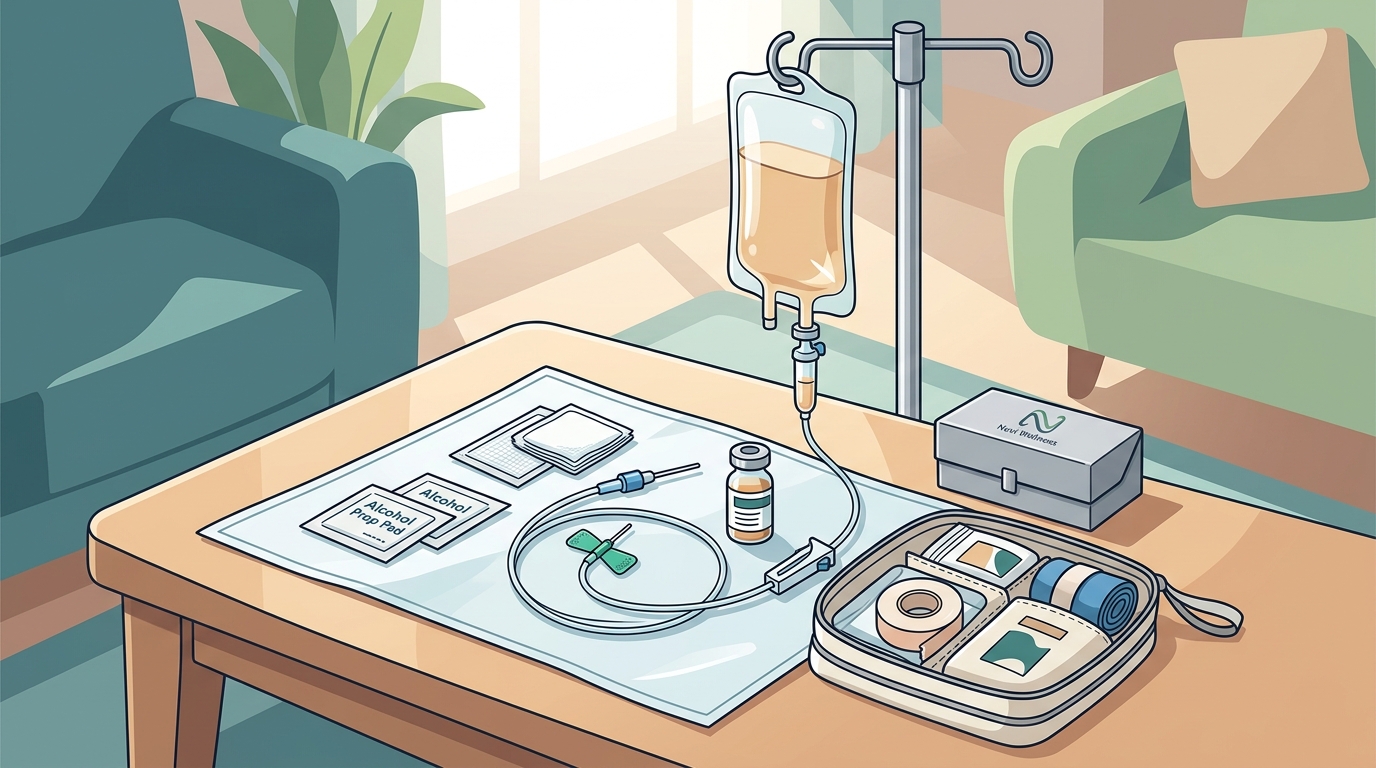
Safety in a home environment requires strict adherence to medical protocols. A significant pitfall is booking with a provider who does not carry emergency equipment or follow sterile techniques. IV therapy carries risks, including infection, phlebitis, and air embolism. Sterile technique is the practice of preventing contamination during medical procedures. This includes the use of gloves, alcohol swabs, and sterile needles and tubing.
Reputable mobile IV services have clear protocols for handling adverse reactions. This includes having epinephrine and other emergency medications on hand. They should also have a clear plan for transporting you to a hospital if a severe reaction occurs. When booking, ask about their emergency preparedness. Do they have a 24/7 medical director? What is their protocol if a patient feels faint or experiences an allergic reaction? Companies that prioritize safety, such as those aligned with Nuvi Wellness standards, will be transparent about their emergency procedures.
Pitfall 5: Hidden Costs and Transparency
The final common pitfall is unexpected costs. Mobile IV therapy can be expensive, and prices vary widely based on location, provider credentials, and the complexity of the drip. Some companies advertise low base prices but add significant fees for travel, nursing time, or the actual IV supplies. Price transparency is essential for consumer trust.
Before booking, request a detailed breakdown of all costs. This should include the price of the IV bag, the nursing fee, and any travel surcharges. Be wary of companies that require large upfront deposits or have vague cancellation policies. A professional service will provide clear terms and conditions. Additionally, check if your insurance covers any part of the treatment. While most cosmetic or wellness IVs are out-of-pocket, some medical indications may be covered. Understanding the financial aspect upfront prevents stress and ensures you are making an informed decision.
Service Comparison Overview
To help you navigate the options, here is a comparison of key factors to consider when selecting an at-home IV therapy provider.
| Factor | Premium Provider (e.g., Nuvi Wellness) | Low-Cost/Unregulated Provider |
|---|---|---|
| Provider Credentials | Licensed RNs or NPs with BLS certification | Varies; often unverified or minimally trained |
| Medical Assessment | Required prior to first session | Often skipped or minimal |
| Emergency Protocol | Clear plan with emergency meds on site | Unclear or non-existent |
| Cost Transparency | Detailed breakdown of all fees | Hidden fees or vague pricing |
| Follow-up Care | Post-session check-in and medical oversight | No follow-up |
Key Takeaways
- Medical History is Critical: Always undergo a thorough health screening before your first IV session to avoid adverse reactions.
- Verify Credentials: Ensure your provider is a licensed nurse or practitioner with experience in IV therapy.
- Match Protocol to Need: Do not choose a drip based on marketing; choose based on clinical necessity and professional advice.
- Check Safety Standards: Confirm that the provider carries emergency equipment and follows sterile techniques.
- Understand Costs: Request a full price breakdown including nursing fees and travel costs to avoid surprises.
- Prioritize Oversight: Choose services with a medical director who can oversee complex cases.
- Research the Company: Look for established brands with transparent policies and positive patient reviews.
Frequently Asked Questions
Is at-home IV therapy safe?
At-home IV therapy is safe when administered by licensed medical professionals who follow strict sterile protocols and emergency guidelines. The risk of infection or complications is significantly lower with reputable providers.
How do I know if I need IV therapy?
IV therapy is beneficial for rapid hydration, nutrient replenishment, or recovery from illness. However, you should consult with a healthcare provider to determine if it is appropriate for your specific health condition.
Can I use insurance for at-home IV therapy?
Most at-home IV therapy for wellness purposes is not covered by insurance. However, if the therapy is deemed medically necessary for a specific condition, some parts may be covered. Check with your provider for details.
What should I expect during the session?
The nurse will verify your identity, review your medical history, insert the IV catheter, and monitor you during the infusion. The session typically lasts 45 to 60 minutes.
Are there any side effects?
Common side effects are minimal but can include bruising at the injection site, cold sensations during infusion, or temporary fatigue. Serious side effects are rare when administered by qualified professionals.
How often can I receive IV therapy?
The frequency depends on your health goals and medical advice. Some patients receive monthly treatments, while others may need more frequent sessions during illness or high-stress periods.
What happens if I have an adverse reaction?
Reputable providers have emergency protocols in place, including carrying epinephrine and having a plan for hospital transport. Always ensure your provider has a clear emergency plan.
Can I customize my IV drip?
Yes, many providers allow customization based on your needs. However, this should be done in consultation with a medical professional to ensure safety and efficacy.
Take Control of Your Wellness Journey
Avoiding the common pitfalls of at-home IV therapy requires diligence, research, and a commitment to safety. By prioritizing medical assessments, verifying credentials, and choosing transparent providers, you can ensure a safe and effective experience. Do not compromise your health for convenience. Choose a provider that values your well-being above all else. Contact Nuvi Wellness today to schedule your consultation and discover the difference that professional, safe IV therapy can make in your life.