

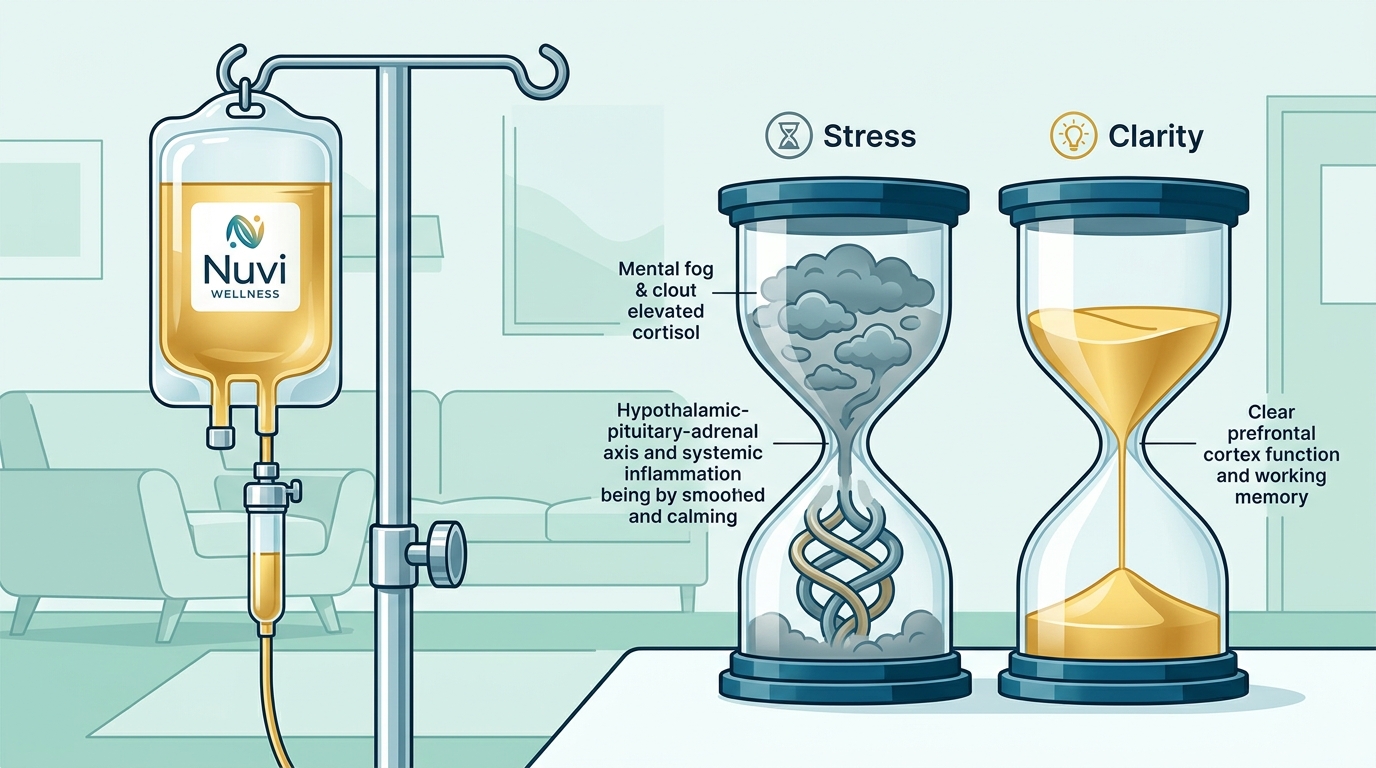
Chronic stress triggers a sustained release of cortisol, which impairs prefrontal cortex function and reduces working memory capacity. This physiological response directly causes mental fog, making stress management the primary mechanism for restoring clarity. By lowering systemic inflammation and regulating the hypothalamic-pituitary-adrenal axis, you can naturally reverse cognitive dullness without pharmaceutical intervention. For additional details, review the nuviwellness com.
The Physiology of Stress-Induced Cognitive Impairment
The prefrontal cortex, responsible for executive functions like planning and decision-making, is highly sensitive to cortisol. Elevated cortisol levels reduce the volume of gray matter in this region over time. This structural change leads to slower processing speeds and reduced ability to filter irrelevant information. The result is a persistent feeling of mental cloudiness or fog.
Research indicates that individuals with high perceived stress scores show significantly lower performance on working memory tasks. The brain prioritizes immediate threat detection over long-term strategic thinking. This shift in cognitive priority explains why stressed individuals often struggle with focus and clarity. Understanding this mechanism is the first step toward effective intervention.
Neuroinflammation and the Role of Cytokines
Neuroinflammation is a process where immune cells in the brain release signaling proteins called cytokines in response to stress. While acute inflammation is protective, chronic neuroinflammation damages neural connections. These cytokines interfere with neurotransmitter signaling, particularly serotonin and dopamine. This interference disrupts mood regulation and cognitive processing speed.
Pro-inflammatory cytokines such as interleukin-6 and tumor necrosis factor alpha are elevated in individuals with chronic stress. These molecules cross the blood-brain barrier and activate microglia, the brain's immune cells. Activated microglia can prune synapses and reduce neuroplasticity. This reduction in synaptic density directly contributes to the sensation of mental fog.
Restoring the HPA Axis Through Lifestyle
The hypothalamic-pituitary-adrenal axis is the body's central stress response system. It coordinates the release of cortisol in response to stressors. A dysregulated HPA axis leads to either excessive or insufficient cortisol production. Both extremes can impair cognitive function and contribute to mental fog.
Nutritional Strategies for Cognitive Clarity
Nutrition is a powerful tool for managing stress and clearing mental fog. The gut-brain axis connects gastrointestinal health to cognitive function. A healthy gut microbiome produces neurotransmitters and modulates immune responses. Poor dietary choices can disrupt this balance and increase inflammation.
Integrating Relaxation Techniques for Daily Clarity
Deep breathing exercises activate the parasympathetic nervous system, promoting relaxation. Techniques such as box breathing or diaphragmatic breathing lower heart rate and blood pressure. This physiological shift reduces the perception of stress and clears mental fog. These techniques are easy to learn and can be practiced anywhere.
Key Takeaways
- Chronic stress elevates cortisol, which impairs prefrontal cortex function and causes mental fog.
- Neuroinflammation from chronic stress disrupts neurotransmitter signaling and reduces neuroplasticity.
- Regulating the HPA axis through exercise and sleep is essential for cognitive clarity.
- Mindfulness and breathing techniques activate the parasympathetic nervous system to reduce stress.
- Hydration is critical for maintaining attention and working memory.
- Integrating physical and mental strategies provides a comprehensive approach to clearing mental fog.
Frequently Asked Questions
How long does it take to see cognitive improvements after stress reduction?
Most individuals notice improvements in focus and clarity within two to four weeks of consistent stress management practices. Structural changes in the brain, such as increased gray matter density, may take several months. Consistency is key to achieving lasting cognitive benefits.
Can IV therapy help with stress-related mental fog?
What is the most effective exercise for reducing brain fog?
Aerobic exercises such as brisk walking, cycling, or swimming are highly effective. These activities increase blood flow to the brain and promote the release of neurotrophic factors. Consistency is more important than intensity for long-term cognitive benefits.
Does diet really affect mental clarity?
How much sleep is needed for cognitive clarity?
Most adults need seven to nine hours of quality sleep per night. Consistent sleep schedules and a restful environment are crucial for memory consolidation and cognitive performance. Poor sleep quality can significantly impair mental clarity.
Can mindfulness meditation change brain structure?
Where can I find mobile IV therapy services in Utah and Arizona?
Nuvi Wellness provides luxury mobile IV therapy services in Utah and Arizona. Our team brings clinical-grade hydration and nutrients to your home, offering a spa-level experience. to learn more about our services and how they can support your well-being. Learn more: nuviwellness com.