
Nicotinamide adenine dinucleotide (NAD+) has emerged as a critical component in modern regenerative medicine, with the global NAD+ therapy market projected to reach significant valuation milestones by 2030 as demand for longevity treatments accelerates. Market analysis indicates that patient interest in intravenous delivery methods has surged due to the superior bioavailability compared to oral supplements. This guide outlines the rigorous clinical standards required to deliver safe, effective, and compliant NAD+ infusions, ensuring that patients receive care that meets the highest medical benchmarks.
Understanding NAD+ and Clinical Definitions
Before evaluating delivery standards, it is essential to define the biological mechanism at play. NAD+ is a coenzyme found in all living cells that plays a vital role in energy metabolism and cellular repair. Research published in PubMed highlights that NAD+ levels decline with age, contributing to mitochondrial dysfunction and cellular aging. To understand the clinical context, we must define key terms precisely.
NAD+ is a coenzyme essential for cellular energy production and DNA repair. This definition distinguishes it from general vitamins, emphasizing its role as a metabolic driver. Without adequate NAD+, cells cannot efficiently convert nutrients into energy, leading to the fatigue and cognitive decline often associated with aging.
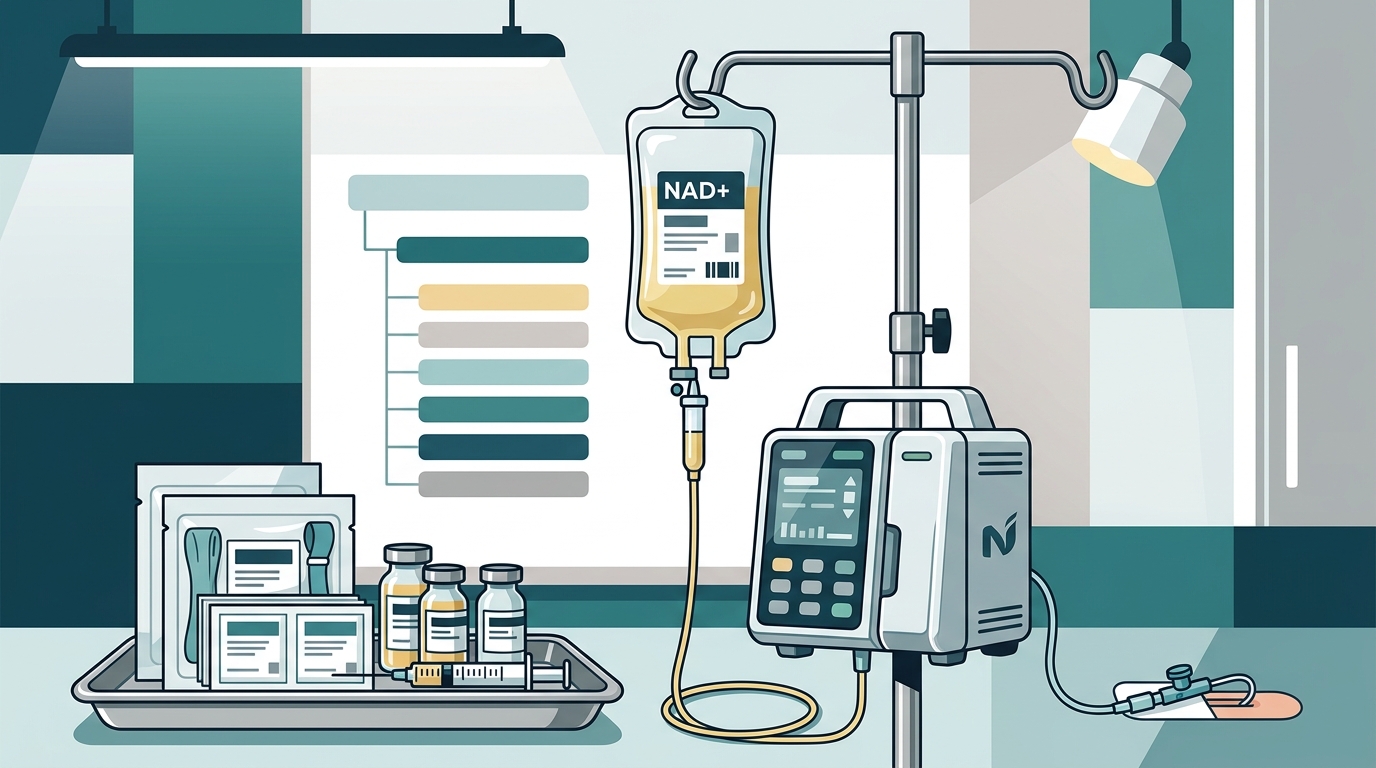
IV Therapy is the direct intravenous administration of fluids, vitamins, and minerals. This method bypasses the digestive system, ensuring 100% bioavailability. Unlike oral supplements, which suffer from gastrointestinal degradation, IV therapy delivers the compound directly into the bloodstream for immediate cellular uptake.
Clinical-Grade refers to substances manufactured under strict pharmaceutical regulations. This standard ensures that the NAD+ used in therapy is pure, sterile, and free from contaminants. Patients must verify that their provider sources NAD+ from reputable pharmaceutical-grade manufacturers who adhere to Good Manufacturing Practices (GMP).
Sterility and Compounding Standards
The safety of any IV therapy hinges on the integrity of the compounding process. In a clinical setting, the preparation of NAD+ solutions must occur in a controlled environment to prevent infection and contamination. The risk of introducing pathogens directly into the bloodstream is significant if sterile techniques are not strictly followed.
Reputable clinics utilize FDA-regulated facilities for the sourcing of raw materials. The compounding process often involves specialized pharmacies that adhere to USP United States Pharmacopeia standards for sterile preparations. These standards dictate everything from the cleanliness of the air in the compounding room to the testing of the final product for pyrogens and particulate matter.
At Nuvi Wellness, we prioritize transparency in our sourcing. We ensure that every vial of NAD+ used in our treatments is traceable to its pharmaceutical origin. This commitment to quality control is not merely a regulatory checkbox but a fundamental aspect of patient safety. Patients should always ask their providers about the source of their IV solutions and the sterility protocols employed during preparation.
Provider Credentials and Scope of Practice
Not all wellness centers are equipped to deliver clinical-grade IV therapy safely. The administration of intravenous fluids requires a licensed medical professional who understands vascular anatomy, fluid dynamics, and potential drug interactions. The scope of practice for different providers varies significantly by jurisdiction and certification.
Registered Nurses (RNs) and Nurse Practitioners (NPs) are typically the primary providers of IV therapy in wellness clinics. These professionals undergo extensive training in phlebotomy, IV insertion, and emergency response. Their ability to manage complications such as phlebitis or allergic reactions is critical to safe treatment delivery. Nursing associations emphasize the importance of continuous education in IV therapy safety protocols.
Physicians (MDs or DOs) may also oversee these treatments, particularly when tailoring protocols for patients with complex medical histories. The presence of a supervising physician ensures that the clinic can address any adverse events that arise during or after the infusion. Patients should verify that the clinic has a clear chain of command and that medical oversight is readily available.
At Nuvi Wellness, our team consists of highly trained medical professionals who specialize in regenerative medicine. We maintain strict protocols for provider training and continuing education to ensure that every treatment is delivered with precision and care. Our approach integrates medical expertise with personalized wellness goals, ensuring that each patient receives a tailored treatment plan.
Patient Monitoring and Adverse Event Management
Even with high-quality NAD+ and skilled providers, patient monitoring is a non-negotiable standard for clinical-grade therapy. NAD+ infusions can cause transient side effects, including nausea, chest tightness, or a metallic taste in the mouth. These symptoms are often dose-dependent and can be mitigated by adjusting the infusion rate.
Standard clinical practice requires continuous monitoring of vital signs during the infusion. Providers must be trained to recognize early signs of adverse reactions and to intervene immediately if necessary. This includes having emergency equipment and medications readily available on-site. The ability to slow down or stop the infusion is a critical safety feature that distinguishes clinical-grade care from less regulated wellness offerings.
Post-infusion care is equally important. Patients should be provided with clear instructions on what to expect after treatment and when to seek medical attention. Follow-up consultations allow providers to assess the efficacy of the treatment and adjust future protocols based on patient response. This iterative process ensures that the therapy remains safe and effective over time.
Comparing NAD+ Delivery Methods
While IV therapy is the gold standard for bioavailability, it is not the only method of NAD+ delivery. Understanding the differences between methods helps patients make informed decisions about their wellness journey. The table below summarizes the key characteristics of each delivery method.
| Delivery Method | Bioavailability | Onset of Action | Clinical Oversight Required | Best For |
|---|---|---|---|---|
| IV Therapy | 100% | Immediate | Yes (RN/MD) | Acute symptoms, high-dose protocols |
| Subcutaneous Injection | High | Rapid | Yes (RN/MD) | Home maintenance, consistent levels |
| Oral Supplements | Low to Moderate | Delayed | No | General wellness, prevention |
| Nasal Spray | Moderate | Fast | No | Convenience, mild support |
IV therapy remains the preferred method for patients seeking rapid, significant increases in NAD+ levels. The direct entry into the bloodstream allows for immediate cellular utilization, which is particularly beneficial for those dealing with chronic fatigue, brain fog, or recovery from intense physical exertion. For long-term maintenance, some patients may transition to subcutaneous injections or high-quality oral supplements under medical guidance.
Key Takeaways
- Clinical-Grade Purity: Always verify that NAD+ is sourced from pharmaceutical-grade manufacturers adhering to GMP standards.
- Provider Qualifications: Ensure treatments are administered by licensed RNs, NPs, or MDs with specific IV therapy training.
- Sterile Compounding: Reputable clinics use USP-compliant compounding pharmacies to ensure the safety and sterility of the solution.
- Continuous Monitoring: Vital signs must be monitored during infusion to manage potential side effects like nausea or chest tightness.
- Personalized Protocols: Effective NAD+ therapy requires tailored dosing based on individual health goals and medical history.
- Bioavailability Advantage: IV therapy offers 100% bioavailability, making it superior to oral supplements for acute needs.
- Regulatory Compliance: Clinics must adhere to local medical regulations and maintain proper licensing for IV administration.
Frequently Asked Questions
Is NAD+ IV therapy safe?
Yes, when administered by licensed medical professionals in a clinical setting using pharmaceutical-grade NAD+. Safety protocols include sterile compounding, continuous monitoring, and emergency preparedness.
How long does an NAD+ IV infusion take?
Infusions typically last between 60 to 120 minutes, depending on the dosage and the patient's tolerance. Slower infusion rates can minimize side effects such as nausea or chest tightness.
What are the common side effects of NAD+ IV therapy?
Common transient side effects include nausea, metallic taste, chest tightness, and fatigue. These symptoms are usually dose-dependent and can be managed by adjusting the infusion rate.
Can I take NAD+ supplements orally instead?
Oral supplements are available but have lower bioavailability due to digestive degradation. IV therapy is preferred for rapid, significant increases in NAD+ levels.
Who should avoid NAD+ IV therapy?
Patients with severe kidney or liver disease, active cancer, or specific allergies to IV components should consult their physician before undergoing therapy. A thorough medical history review is essential.
How often should I receive NAD+ infusions?
The frequency depends on individual health goals. Initial protocols may involve weekly sessions, followed by maintenance sessions every few months. Your provider at Nuvi Wellness will create a personalized schedule.
Is NAD+ therapy covered by insurance?
Most insurance plans do not cover NAD+ IV therapy as it is often considered a wellness or elective treatment. However, some medical necessity cases may be reviewed on an individual basis.
Schedule Your Consultation
Experiencing the benefits of clinical-grade NAD+ therapy begins with a comprehensive evaluation. At Nuvi Wellness, we combine medical expertise with personalized care to help you achieve optimal health. Our team is dedicated to providing safe, effective, and transparent treatments tailored to your unique needs. Contact us today to schedule your consultation and discover how NAD+ therapy can support your wellness journey.