
Nicotinamide adenine dinucleotide (NAD+) is a critical coenzyme found in every living cell, playing a pivotal role in energy metabolism and cellular repair. Research indicates that NAD+ levels decline significantly with age, dropping by up to 50% in some tissues by middle age. This decline is directly linked to mitochondrial dysfunction and increased oxidative stress. Understanding how to properly administer and absorb this molecule is essential for anyone seeking to reverse aging markers or boost cognitive function. Many patients approach NAD+ therapy with misconceptions that can diminish its efficacy or cause unnecessary discomfort. This guide outlines the most frequent errors in NAD+ protocols and provides actionable steps to optimize your results.
Understanding NAD+ and Its Biological Role
NAD+ is a dinucleotide that is involved in redox reactions, carrying electrons from one reaction to another. It is essential for the function of sirtuins, a family of proteins that regulate cellular health, aging, and survival. Without adequate NAD+, these proteins cannot function effectively, leading to accelerated aging processes. The body naturally produces NAD+ from precursors like niacin (vitamin B3) and nicotinamide riboside. However, as we age, the efficiency of these natural production pathways decreases. This is why external supplementation via IV therapy has become a popular intervention for those looking to restore youthful cellular function. At Nuvi Wellness, we focus on restoring this balance through precise, medically supervised protocols.
The Speed Error: Why Slow Infusions Matter
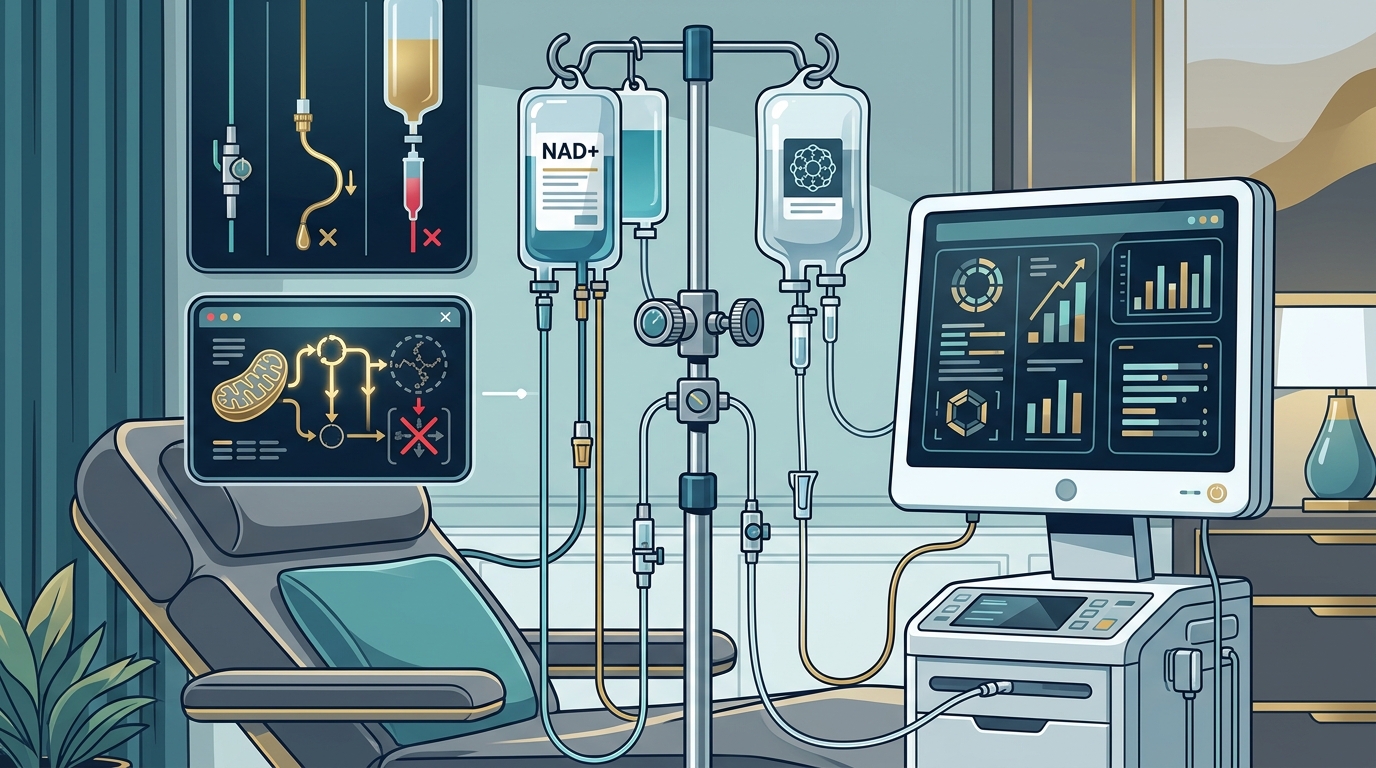
The most common mistake patients make during NAD+ IV therapy is rushing the infusion process. NAD+ molecules are large and complex, and the body requires time to process them. Infusing NAD+ too quickly can lead to significant discomfort, including chest tightness, nausea, and abdominal cramping. This is not an allergic reaction but rather a physiological response to the rapid introduction of the coenzyme. Medical guidelines suggest that NAD+ infusions should be administered slowly, often over several hours, to ensure tolerance and optimal absorption. Patients who opt for "quick fixes" often experience adverse effects that discourage them from continuing the therapy. By prioritizing a slow, steady drip, you allow your body to integrate the NAD+ without triggering a stress response. This patience is crucial for long-term benefits.
Dosage and Frequency: Less is Not Always More
Another frequent error is under-dosing or infrequent administration. NAD+ has a very short half-life in the bloodstream, meaning it is cleared from the body relatively quickly. To achieve therapeutic levels, consistent and adequate dosing is required. Many patients expect immediate, dramatic results after a single session, which is unrealistic. Cellular repair and mitochondrial biogenesis are gradual processes that require sustained elevation of NAD+ levels. A typical protocol might involve weekly sessions initially, followed by monthly maintenance doses. It is important to work with a healthcare provider to determine the right dosage for your specific needs. At Nuvi Wellness, we tailor each protocol to the individual's metabolic profile and health goals.
IV vs. Oral: Choosing the Right Delivery System
Patients often confuse NAD+ IV therapy with oral supplements, leading to expectations that do not match the physiological reality. Oral NAD+ precursors, such as nicotinamide riboside, are effective for maintenance but have lower bioavailability compared to IV administration. IV therapy bypasses the digestive system, delivering 100% of the compound directly into the bloodstream. This is particularly important for individuals with gut health issues or those requiring high-dose interventions for acute conditions. While oral supplements are convenient, they cannot match the immediate and potent effects of IV therapy. Understanding the distinction helps patients choose the right method for their specific health objectives. For those seeking significant cognitive or physical restoration, IV therapy remains the gold standard.
Managing Side Effects and Pre-Medication
Many patients are unprepared for the potential side effects of NAD+ therapy, which can lead to anxiety and premature termination of the treatment. Common side effects include fatigue, headache, and nausea, particularly during the first few sessions. These symptoms are often temporary and subside as the body adjusts to the increased NAD+ levels. Proper hydration before and after the infusion can significantly mitigate these effects. Additionally, some patients may benefit from pre-medication with anti-nausea drugs if they have a history of sensitivity. It is crucial to communicate any discomfort to your nurse during the infusion so that the rate can be adjusted. At Nuvi Wellness, our staff is trained to monitor patients closely and ensure a comfortable experience.
Lifestyle Synergy: Maximizing Cellular Uptake
NAD+ therapy does not work in isolation. Its efficacy is heavily influenced by lifestyle factors such as diet, exercise, and sleep. Patients who continue to engage in high-stress behaviors or consume a diet high in processed sugars may not see the full benefits of their IV treatments. NAD+ is essential for mitochondrial function, which is directly impacted by physical activity. Regular exercise can boost natural NAD+ production and enhance the effects of IV therapy. Similarly, adequate sleep is crucial for cellular repair and regeneration. Combining NAD+ therapy with a healthy lifestyle creates a synergistic effect that accelerates healing and vitality. This holistic approach is central to the philosophy at Nuvi Wellness.
Key Takeaways
- Slow Infusion is Critical: Administer NAD+ over 2-4 hours to prevent nausea and chest tightness.
- Consistency Matters: NAD+ has a short half-life; regular sessions are needed for sustained benefits.
- IV Bioavailability: IV therapy offers 100% bioavailability, superior to oral supplements for acute needs.
- Manage Expectations: Results are cumulative and gradual, not immediate after a single dose.
- Lifestyle Integration: Exercise and sleep enhance NAD+ efficacy and mitochondrial health.
- Hydration is Key: Proper hydration before and after infusion reduces side effects.
- Professional Guidance: Work with a provider to tailor dosage and frequency to your specific health profile.
Frequently Asked Questions
How long does an NAD+ IV infusion take?
A typical NAD+ IV infusion takes between 2 to 4 hours, depending on the dosage and individual tolerance. Slower rates are often recommended to minimize side effects.
Can I take NAD+ supplements orally instead of IV?
Oral supplements are effective for maintenance but have lower bioavailability. IV therapy is preferred for higher doses and immediate systemic effects.
What are the common side effects of NAD+ therapy?
Common side effects include nausea, fatigue, and abdominal cramping. These are usually temporary and can be managed by slowing the infusion rate.
How often should I receive NAD+ therapy?
Frequency depends on individual goals. Initial protocols often involve weekly sessions, followed by monthly maintenance for sustained benefits.
Is NAD+ therapy safe?
Yes, NAD+ is a naturally occurring molecule in the body. When administered by medical professionals, it is considered safe with minimal risks.
Does NAD+ therapy help with addiction recovery?
Many patients report reduced cravings and improved mood during recovery. NAD+ helps restore brain chemistry disrupted by substance abuse.
Who is a good candidate for NAD+ IV therapy?
Individuals seeking anti-aging benefits, cognitive enhancement, energy boost, or addiction support are ideal candidates for this therapy.
Schedule Your Consultation
Optimizing your NAD+ therapy requires a personalized approach that considers your unique health profile and goals. At Nuvi Wellness, we provide expert guidance and a comfortable environment for your treatments. Contact us today to schedule a consultation and begin your journey toward cellular rejuvenation. Visit nuviwellness.com to learn more about our services.