
Nicotinamide adenine dinucleotide (NAD+) is a critical coenzyme found in every living cell, serving as the fundamental fuel for mitochondrial energy production and cellular repair. Recent clinical data indicates that NAD+ levels decline by approximately 50% between the ages of 20 and 40, a drop that correlates directly with increased fatigue, metabolic slowdown, and accelerated aging processes. According to research published in the journal Cell Metabolism, restoring these levels is not merely a theoretical exercise but a biological imperative for maintaining cellular health and longevity. This guide details the precise mechanisms of NAD+ depletion and provides actionable, evidence-based protocols to optimize your levels effectively.
What Is NAD+ and Why It Matters
NAD+ is a dinucleotide that plays a central role in redox reactions, facilitating the transfer of electrons during metabolic processes. It is essential for the function of sirtuins, a family of proteins that regulate cellular health, DNA repair, and inflammation. Without adequate NAD+, sirtuins cannot function properly, leading to genomic instability and cellular senescence. The body naturally synthesizes NAD+ through the salvage pathway, but this process becomes less efficient with age. Understanding this biological baseline is crucial for anyone looking to implement a longevity-focused health strategy.
Research from the Harvard Medical School highlights that NAD+ is not just an energy carrier but a signaling molecule that influences gene expression. This dual role makes it a primary target for anti-aging therapies. When NAD+ levels are optimal, cells can better resist oxidative stress and maintain mitochondrial integrity. Conversely, low levels are associated with a host of age-related diseases, including neurodegeneration and metabolic disorders. For more insights into cellular health, visit our cellular health resources.
The Primary Causes of NAD+ Depletion
Several physiological and environmental factors accelerate the breakdown of NAD+ or inhibit its synthesis. One of the most significant drivers is chronic inflammation. When the immune system is constantly activated, enzymes called CD38 and CD71 consume NAD+ at an accelerated rate to manage inflammatory responses. This creates a vicious cycle where low NAD+ leads to more inflammation, which in turn depletes NAD+ further.
Another major factor is excessive alcohol consumption. The metabolism of ethanol requires significant amounts of NAD+ to convert alcohol into acetaldehyde and then into acetate. According to data from the National Institute on Alcohol Abuse and Alcoholism, heavy drinking can rapidly deplete cellular NAD+ stores, impairing liver function and energy production. Additionally, exposure to UV radiation and environmental toxins forces cells to use NAD+ for DNA repair, further draining available reserves. Understanding these triggers allows for more targeted intervention strategies.
Precursor Supplements: NMN vs NR
Since direct NAD+ supplementation is ineffective due to poor cellular uptake, the focus has shifted to precursors that the body can convert into NAD+. The two most prominent precursors are Nicotinamide Mononucleotide (NMN) and Nicotinamide Riboside (NR). Both compounds enter the salvage pathway and are converted into NAD+ inside cells, but they have distinct pharmacokinetic profiles.
Nicotinamide Riboside (NR) is a form of vitamin B3 that has been extensively studied for its safety and efficacy. Clinical trials have shown that NR supplementation can raise NAD+ levels in human blood by up to 90% within an hour. NMN, on the other hand, is a direct intermediate in the NAD+ synthesis pathway. Some researchers argue that NMN may be more efficient because it bypasses certain metabolic steps. However, the debate continues regarding the best delivery mechanism for each. For a detailed comparison of these compounds, explore our supplement guides.
| Feature | Nicotinamide Riboside (NR) | Nicotinamide Mononucleotide (NMN) |
|---|---|---|
| Primary Source | Milk, yeast, and broccoli | Raw vegetables like edamame |
| Conversion Path | Converts to NMN before becoming NAD+ | Direct precursor to NAD+ |
| Research Status | Extensive human clinical trials | Strong animal data, emerging human data |
| Stability | Highly stable in capsule form | Requires careful storage to prevent degradation |
Lifestyle Interventions for Natural Boosts
While supplements are powerful tools, lifestyle changes provide a foundational boost to NAD+ levels. One of the most effective methods is caloric restriction or intermittent fasting. When the body is in a fasted state, it activates sirtuins to preserve energy and repair cells, which in turn stimulates the production of NAD+. Studies published in the New England Journal of Medicine suggest that time-restricted eating can significantly enhance metabolic health by leveraging this mechanism.
High-intensity exercise is another potent trigger. Muscle contraction during vigorous activity increases the demand for ATP, which drives the conversion of precursors into NAD+. Regular aerobic exercise has been shown to increase the expression of genes involved in NAD+ synthesis. Furthermore, getting adequate sleep is critical. Sleep deprivation disrupts circadian rhythms, which regulate the enzymes responsible for NAD+ production. Prioritizing 7-9 hours of quality sleep supports the natural oscillation of NAD+ levels throughout the day.
Delivery Methods and Bioavailability
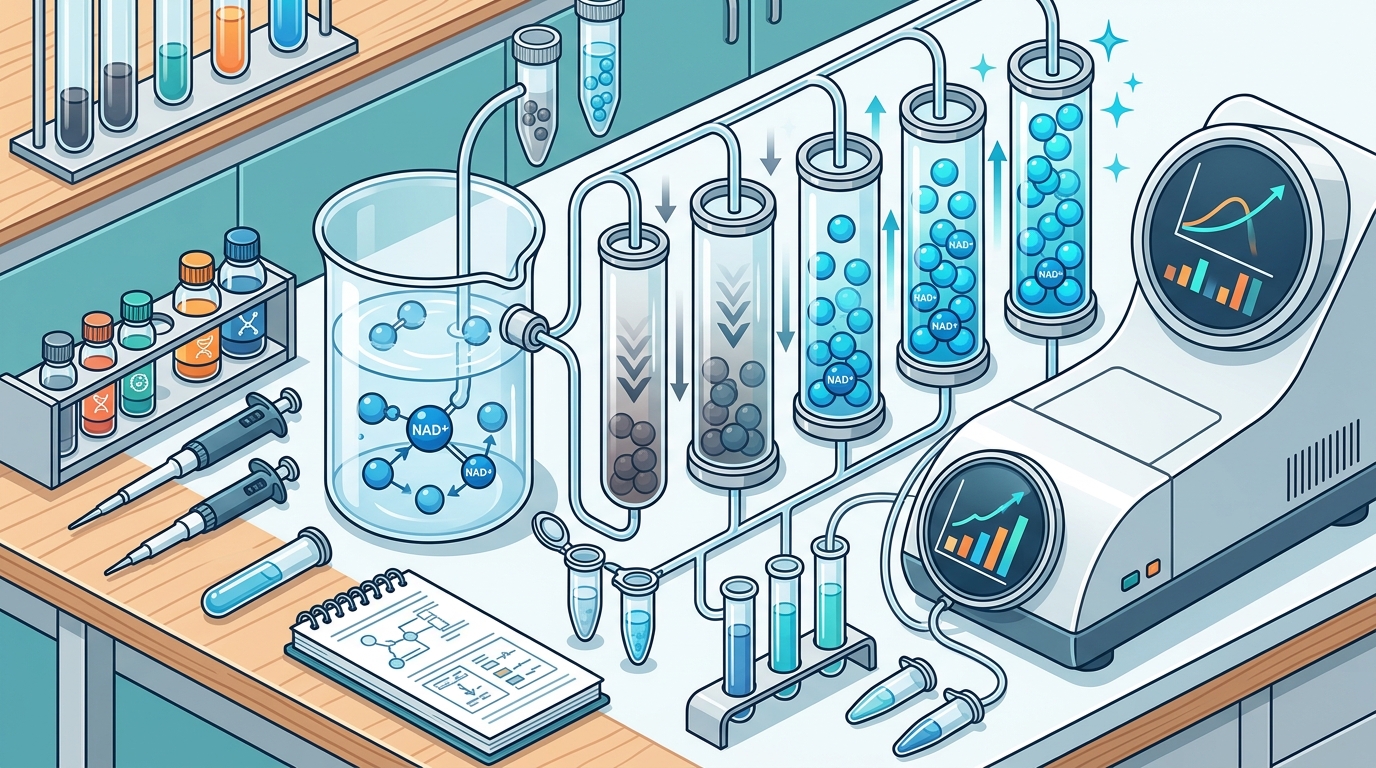
The method of administration significantly impacts the efficacy of NAD+ boosting strategies. Oral supplements are the most common and convenient option, but they must be formulated to survive stomach acid. Liposomal delivery systems are gaining popularity because they encapsulate the precursor in fat molecules, enhancing absorption and protecting it from digestive breakdown. This method ensures that a higher percentage of the active ingredient reaches the bloodstream.
For those seeking more immediate results, intravenous (IV) NAD+ therapy is an option. This method bypasses the digestive system entirely, delivering NAD+ directly into the bloodstream. While effective for acute needs, it is less practical for long-term maintenance compared to daily oral supplementation. At Nuvi Wellness, we emphasize a holistic approach that combines targeted supplementation with lifestyle adjustments. Learn more about our wellness programs to find a plan that suits your needs.
Key Takeaways
- NAD+ Decline: Levels drop by half between ages 20 and 40, accelerating aging.
- Precursors are Key: Direct NAD+ supplements are ineffective; use NMN or NR instead.
- Fasting Benefits: Intermittent fasting activates sirtuins and boosts NAD+ production.
- Exercise Impact: High-intensity workouts increase the demand for and synthesis of NAD+.
- Sleep Importance: Circadian rhythms regulate NAD+ oscillation, making sleep vital.
- CD38 Activation: Inflammation triggers enzymes that consume NAD+, creating a depletion cycle.
- Bioavailability: Liposomal delivery enhances absorption compared to standard capsules.
Frequently Asked Questions
How long does it take to see results from NAD+ supplementation?
Most individuals report increased energy levels and improved mental clarity within 2 to 4 weeks of consistent supplementation. However, long-term benefits for cellular repair and longevity may take several months to manifest fully.
Can I get enough NAD+ from food alone?
While foods like milk, yeast, and raw vegetables contain NAD+ precursors, the concentrations are too low to significantly boost levels in older adults. Supplementation is generally required to achieve therapeutic doses.
Is NMN better than NR for NAD+ boosting?
Both are effective, but the choice depends on individual response and budget. NR has more extensive human safety data, while NMN is a direct precursor. Consult with a healthcare provider to determine the best option for your physiology.
Does alcohol consumption permanently damage NAD+ levels?
Alcohol depletes NAD+ rapidly, but the body can recover if consumption is reduced. Chronic heavy drinking can lead to long-term metabolic issues, but abstaining allows the salvage pathway to restore balance over time.
Are there any side effects to taking NMN or NR?
Nicotinamide riboside and mononucleotide are generally well-tolerated. Some users may experience mild digestive discomfort or headaches initially. Starting with a lower dose and gradually increasing it can help mitigate these effects.
How does intermittent fasting increase NAD+?
Fasting triggers autophagy, a cellular cleanup process that relies on sirtuins. To activate sirtuins, the body increases NAD+ production, creating a positive feedback loop that enhances cellular health and metabolic efficiency.
Can I take NAD+ boosters with other supplements?
Yes, NAD+ precursors are often stacked with resveratrol or pterostilbene, which are sirtuin activators. This combination can synergistically enhance the anti-aging effects of both compounds. Always check for interactions with medications.
Optimize Your Cellular Health Today
Maximizing NAD+ levels is a proactive step toward extending your healthspan and improving your quality of life. By combining targeted supplementation with evidence-based lifestyle changes, you can reverse the effects of age-related decline. Nuvi Wellness is dedicated to helping you achieve optimal vitality through personalized, science-backed strategies. Contact us today to schedule a consultation and begin your journey toward renewed energy and cellular resilience.