Essential Standards for Clinical-Grade Hydration in Travel Recovery
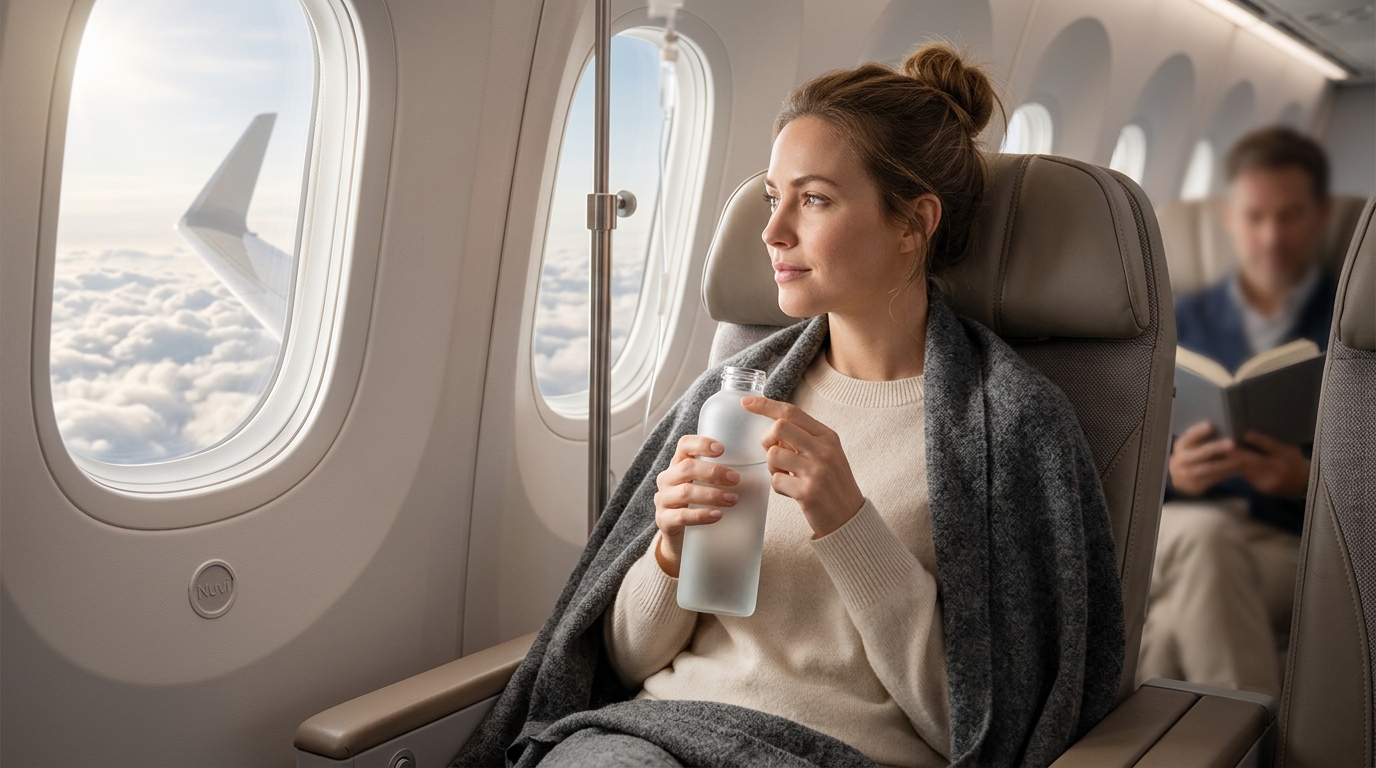
Dehydration during air travel is not merely a discomfort; it is a physiological stressor that impacts cognitive function and physical recovery. According to recent aviation health studies, cabin humidity levels often drop below 20 percent, causing passengers to lose up to two liters of water during long-haul flights. This rapid fluid loss triggers a cascade of symptoms including fatigue, headaches, and impaired judgment. Understanding the clinical standards for hydration allows travelers to mitigate these effects proactively rather than reactively. This guide outlines the precise methodologies required to maintain homeostasis in high-altitude environments.
Understanding Clinical-Grade Hydration Standards
Before defining the term, it is crucial to distinguish between casual drinking and clinical-grade hydration. Oral Rehydration Therapy (ORT) is a medical treatment used to replace fluids and electrolytes lost through dehydration. In the context of travel, clinical-grade hydration refers to the strategic intake of solutions that match the osmolarity of human blood to maximize absorption rates in the small intestine.
Standard tap water or plain bottled water often fails to meet these standards because it lacks the necessary solute concentration. When you consume plain water without electrolytes, the body may excrete the fluid rapidly to maintain sodium balance, a process known as diuresis. This renders the hydration effort inefficient. Clinical standards require a specific balance of sodium, potassium, and glucose to activate the sodium-glucose cotransporters in the gut. This mechanism pulls water into the bloodstream at a significantly faster rate than water alone.
At Nuvi Wellness, we emphasize that preparation begins before the flight. The goal is to enter the aircraft in a state of hyperhydration, creating a buffer against the inevitable fluid loss. This approach shifts the focus from simple thirst management to active physiological preservation.
The Physiology of Flight Dehydration
The environment inside a commercial aircraft is fundamentally different from the ground. Partial pressure of oxygen is reduced at high altitudes, forcing the body to work harder to oxygenate tissues. This increased metabolic demand accelerates fluid consumption. Furthermore, the low humidity in the cabin causes insensible water loss through respiration and skin evaporation.
Consider the definition of insensible water loss is the continuous evaporation of water from the skin and respiratory tract that occurs without the individual's awareness. During a six-hour flight, this process can deplete the body of significant fluid volumes. The resulting dehydration leads to reduced blood volume, which forces the heart to pump faster to maintain blood pressure. This physiological strain contributes to the fatigue and brain fog many travelers experience upon landing.
Additionally, the circadian rhythm disruption from time zone changes compounds the issue. The body's natural hydration cycles are tied to sleep and wake patterns. When these are disrupted, the hormonal regulation of water retention, primarily driven by antidiuretic hormone (ADH), becomes erratic. This makes it harder for the body to hold onto the fluids you consume.
Electrolyte Mechanisms and Absorption
To achieve clinical-grade results, one must understand the role of specific electrolytes. Sodium is the primary driver of fluid retention. It regulates the amount of water that is held in the bloodstream and extracellular fluid. Without adequate sodium, the kidneys will filter out excess water, leading to frequent urination and continued dehydration.
Potassium plays a complementary role by regulating intracellular fluid balance. It helps maintain the electrical gradients necessary for nerve function and muscle contraction. A deficiency in potassium can lead to muscle cramps and weakness, symptoms often exacerbated by the prolonged sitting associated with travel.
Glucose is the critical catalyst in the absorption process. The sodium-glucose cotransport system requires both elements to function. This is why many clinical hydration solutions include a precise ratio of sugar to salt. However, excessive sugar can have an osmotic effect that draws water into the gut, potentially causing diarrhea. Therefore, the concentration must be carefully balanced. According to the Centers for Disease Control and Prevention, proper hydration is essential for maintaining physical and mental health. Nuvi Wellness recommends using balanced electrolyte formulas that mimic the body's natural plasma composition.
Nutritional Strategies for Rapid Rehydration
Hydration is not solely about liquid intake. The composition of your meals prior to and during travel plays a significant role. Foods with high water content provide a slow-release source of hydration. Cucumbers, watermelon, and celery are excellent choices because they contain both water and natural electrolytes.
Avoiding diuretics is equally important. Alcohol and caffeine are common diuretics that increase urine production. While a moderate amount of coffee may not cause severe dehydration, combining it with alcohol during a flight significantly accelerates fluid loss. The liver prioritizes metabolizing alcohol over regulating hydration, leading to a net negative fluid balance.
Another critical factor is the timing of intake. Drinking large volumes of water immediately before a flight can lead to discomfort and frequent bathroom trips. Instead, adopt a strategy of small, frequent sips throughout the journey. This method maintains a steady state of hydration without overwhelming the bladder. The Mayo Clinic advises that staying hydrated helps your body function at its best and can improve energy levels and brain function.
Comparison of Hydration Methods
Not all hydration methods are created equal. Understanding the differences allows you to choose the most effective option for your specific travel needs. The table below outlines the key distinctions between common approaches.
| Method | Absorption Rate | Electrolyte Content | Best Use Case |
|---|---|---|---|
| Plain Water | Slow | None | Short flights under two hours |
| Sports Drinks | Moderate | High Sugar, Low Sodium | Active recovery post-flight |
| Clinical ORT | Fast | Balanced Sodium/Potassium | Long-haul flights and jet lag |
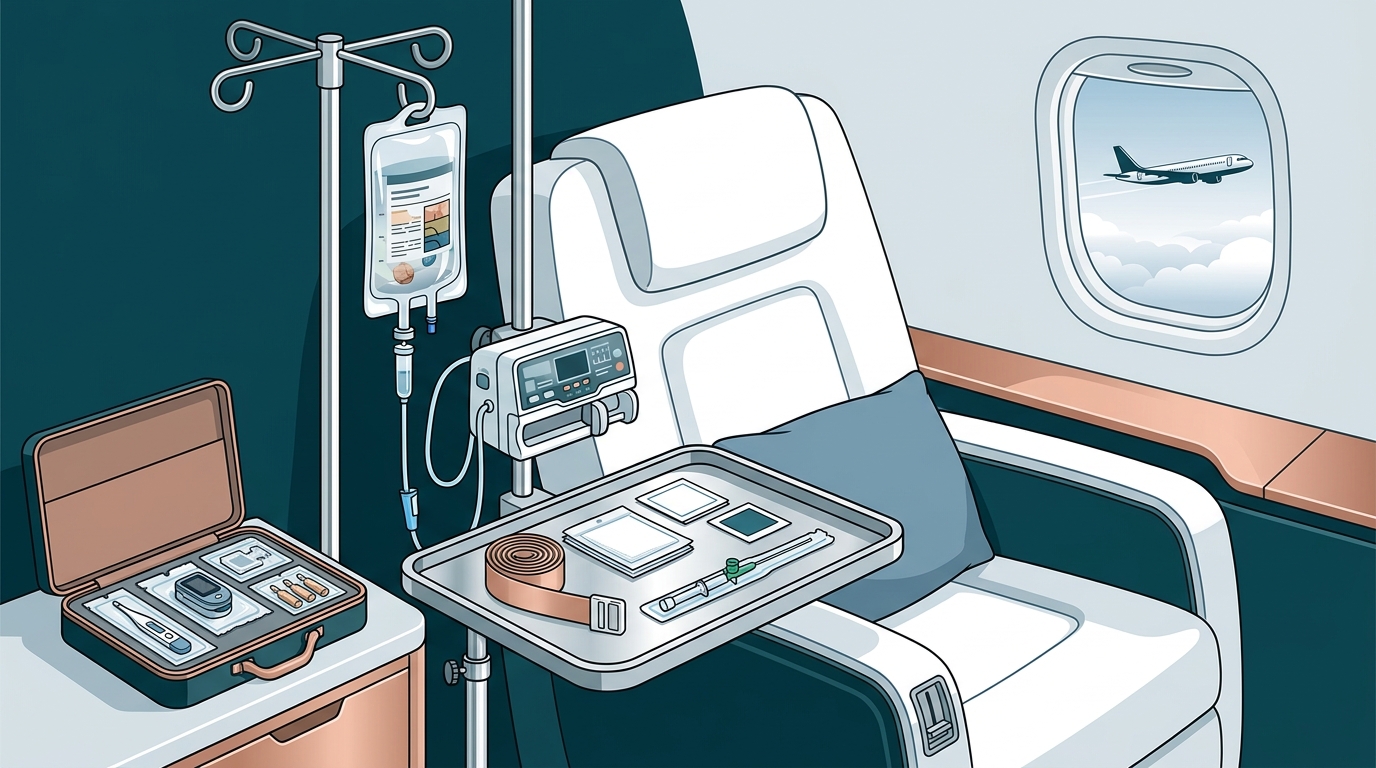
| IV Hydration | Immediate | Customizable | Severe dehydration or medical need |
While sports drinks are widely available, they often contain excessive sugar and insufficient sodium for clinical-grade travel recovery. Clinical Oral Rehydration Therapy (ORT) offers a superior profile for maintaining blood volume and cognitive clarity. For those seeking immediate results, Nuvi Wellness provides professional hydration therapies that bypass the digestive system entirely for maximum efficiency.
Key Takeaways
- Oral Rehydration Therapy (ORT) is a medical treatment used to replace fluids and electrolytes lost through dehydration. It is the gold standard for travel recovery.
- Cabin humidity levels below 20 percent cause rapid insensible water loss, leading to significant physiological stress.
- Partial pressure of oxygen is reduced at high altitudes, forcing the body to work harder to oxygenate tissues. This increases metabolic fluid consumption.
- Electrolytes, particularly sodium and potassium, are essential for retaining water in the bloodstream and preventing diuresis.
- Avoiding diuretics like alcohol and caffeine is critical for maintaining a positive fluid balance during long flights.
- Small, frequent sips of balanced hydration solutions are more effective than large volumes of plain water.
- Clinical-grade hydration supports cognitive function and reduces the severity of jet lag symptoms.
Frequently Asked Questions
What is the best time to start hydrating before a flight?
You should begin increasing your fluid intake 24 hours before your departure. This pre-hydration phase ensures your body tissues are fully saturated before the stress of the flight begins.
How much water should I drink during a long-haul flight?
A general guideline is to drink at least one 8-ounce glass of water for every hour of flight time. However, this should be supplemented with electrolyte solutions to prevent rapid excretion.
Are electrolyte supplements necessary for short flights?
For flights under two hours, plain water is usually sufficient. However, if you are prone to headaches or have a history of severe jet lag, a small dose of electrolytes can provide a protective buffer.
Can I use sports drinks for clinical-grade hydration?
Most sports drinks are not designed for clinical-grade hydration. They often contain too much sugar and not enough sodium. Clinical ORT formulas offer a more precise balance for rapid absorption.
What is the definition of jet lag in terms of hydration?
Jet lag is a temporary sleep disorder that occurs when you travel across multiple time zones, disrupting your body's internal clock. Dehydration exacerbates these symptoms by impairing the body's ability to regulate temperature and energy levels.
How does altitude affect hydration needs?
At higher altitudes, the air is drier and the pressure is lower. This causes your body to lose moisture through breathing at a faster rate. You need to increase your fluid intake to compensate for this accelerated loss.
What is the role of glucose in hydration?
Glucose facilitates the absorption of sodium and water in the small intestine. Without it, the body cannot efficiently pull water from the gut into the bloodstream, making hydration less effective.
Is IV hydration safe for healthy travelers?
IV hydration is generally safe when administered by licensed professionals. It is particularly useful for travelers who cannot tolerate oral intake or need immediate rehydration upon arrival. Contact Nuvi Wellness to schedule a consultation for personalized hydration protocols.
Contact Nuvi Wellness
Achieving clinical-grade hydration requires more than just drinking water. It demands a strategic approach to electrolyte balance, timing, and physiological support. By implementing the standards outlined in this guide, you can minimize the physical toll of travel and arrive at your destination feeling refreshed and ready for business or leisure.
Nuvi Wellness is dedicated to providing evidence-based health solutions for the modern traveler. Our team of experts specializes in optimizing your physiological state for peak performance. Whether you need pre-flight preparation or post-arrival recovery, we offer tailored services to meet your needs.
Do not let dehydration compromise your travel experience. Take control of your health with professional guidance. Visit our contact page to book your personalized hydration assessment today and experience the difference that clinical-grade care can make.